


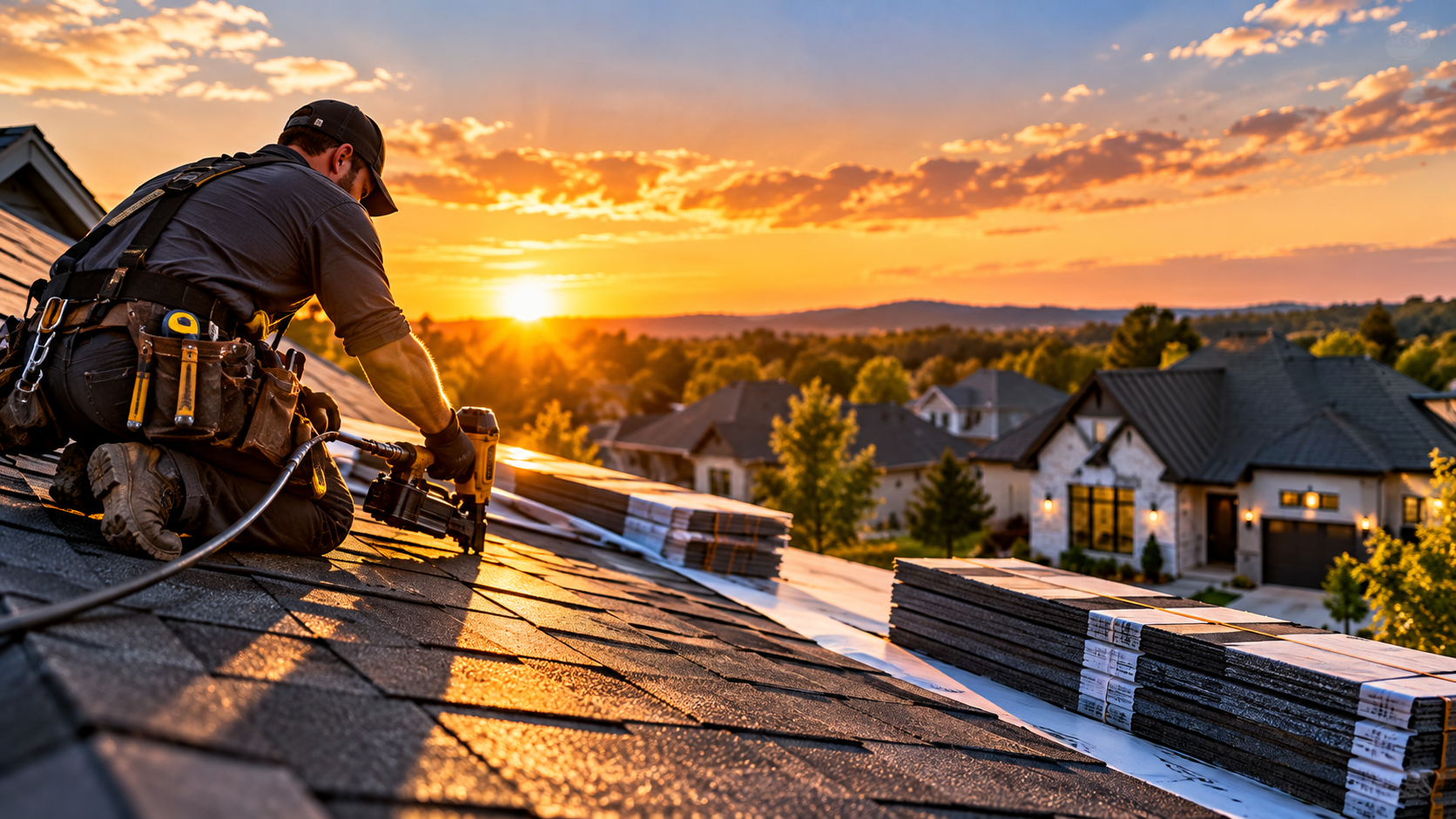
Selling a roofing company usually takes six to twelve months and follows seven steps: get a valuation, prepare the business, plan the licensing transition, market it confidentially, screen buyers, negotiate an offer, and complete due diligence and closing. Preparing well in advance is the best way to get a higher price and a smoother sale.
Selling the roofing company you built is a big decision. Knowing the steps ahead of time helps you avoid surprises and protect your price.
Step 1: Get a realistic valuation
Buyers value roofing companies on profit, usually seller's discretionary earnings (SDE) for smaller companies. They look closely at your mix of work. Recurring repair and maintenance work is worth more than new construction or one-time storm work. A broker will also adjust for unusual storm years so your price holds up later.
Step 2: Prepare the business
- Organize three years of financials that match your tax returns.
- Break revenue down by repairs, replacements, commercial maintenance, new construction, and insurance work.
- Grow recurring work, such as maintenance agreements with commercial property owners.
- Reduce owner dependence by training estimators and foremen to handle sales and job management.
- Clean up liabilities: open callbacks, disputes, and warranty claims.
Step 3: Plan the licensing transition
In Florida, a roofing business needs a licensed roofing contractor as its qualifier. If that's you, decide early whether a licensed employee will step in, whether the buyer will bring a qualifier, or whether you'll stay through a transition period. Buyers will ask about this in the first conversation.
Step 4: Market the business confidentially
You don't want crews, customers, or competitors to hear about the sale too early. A broker:
- Writes a blind teaser that describes the business without naming it
- Shares details only with buyers who sign a non-disclosure agreement
- Presents a full business profile once a buyer is qualified
Step 5: Screen buyers
Not every interested buyer can close. Good screening checks:
- Proof of funds or lender pre-qualification
- Industry or management experience
- Plans for your crews and customers
Roofing companies attract individual buyers, other roofing companies looking to expand, and investment groups. Each brings different terms.
Step 6: Negotiate the offer
Price is only one part. Also negotiate:
- Cash at closing versus seller financing
- Your transition period and role after the sale
- Who handles warranty claims on past jobs
- Asset sale or stock sale, which affects taxes and liability
- Employee retention plans for key foremen and estimators
Step 7: Due diligence and closing
The buyer reviews your financials, contracts, insurance, licensing, equipment, and warranties. Having documents ready keeps the deal on track. Your attorney, CPA, and the buyer's lender then finalize the purchase agreement and close.
Thinking about selling your roofing company?
Start with a confidential conversation about your business, financial performance, timing, and potential exit strategy.
Start a Confidential Conversation →Frequently Asked Questions
How long does it take to sell a roofing company?
Many small business sales take six to twelve months from listing to closing. Clean financials and a clear licensing plan help speed things up.
Who buys roofing companies?
Individual buyers, other roofing or construction companies looking to grow, and private investment groups. Each type of buyer looks for different things and offers different terms.
Can I sell my roofing company without my crews finding out?
Yes. A business broker markets the company without naming it and shares details only with qualified buyers who sign a non-disclosure agreement.
Should I sell my roofing company after a big storm year?
A strong year helps, but buyers usually adjust for storm-driven spikes. Steady, recurring revenue over several years has a bigger effect on price.

